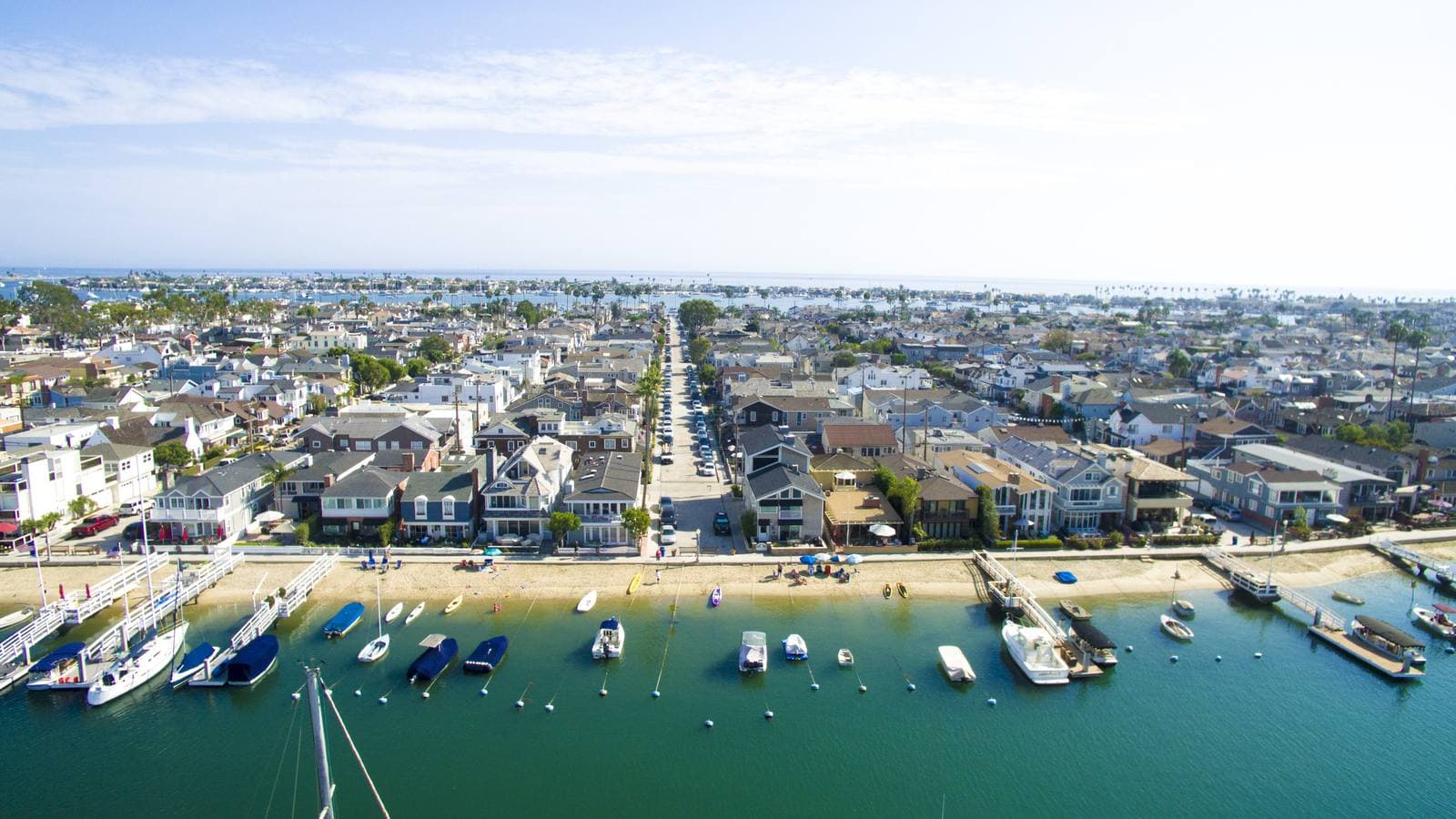
Dreaming about a Balboa Island cottage for weekends, summer escapes, or a long-term coastal retreat? You are not alone. Buying a second home here can feel exciting, but it also comes with very specific questions about property type, financing, taxes, flood risk, and future resale. This guide will help you understand what to look for before you buy, so you can move forward with more clarity and confidence. Let's dive in.
What a Balboa Island Cottage Usually Means
Balboa Island is part of Newport Beach, and the city identifies the broader Balboa Island area as Balboa Island, Little Balboa Island, and Collins Island. It is mostly residential, with small commercial areas and a shop-and-restaurant corridor along Marine Avenue. That mix is part of what gives the area its village feel.
When buyers talk about a Balboa Island cottage, they are usually referring to a smaller detached home that reflects the area's traditional development pattern. According to Newport Beach's cottage-preservation framework, these homes are often one-story residences, sometimes with a small second story above rear parking. In practice, that can mean older cottages, remodeled bungalows, or homes that have been thoughtfully updated over time.
For a second-home buyer, that matters because there is no single, uniform product type. One cottage may be largely original, while another may have major renovations or a partial rebuild. If you want a home that feels authentic to Balboa Island, it helps to look beyond surface finishes and understand the structure, lot layout, and long-term usability.
Why Second-Home Buyers Like Balboa Island
Balboa Island offers a very specific type of coastal ownership. You are not just buying a house near the water. You are buying into a residential setting with established character, smaller-scale homes, and a walkable local commercial area.
That appeal can be especially strong if you want a place that feels personal and distinct from a more standardized vacation-home market. Many buyers are drawn to cottages because they offer charm, manageable size, and a closer connection to the traditional look of the island. If your goal is a second home with personality, this market can be a strong fit.
Look Closely at Lot and Parking
On Balboa Island, lot configuration is not a minor detail. The city notes that many cottages do not provide code-required parking, which is one reason additions can be limited. That means parking, access, and physical layout can affect both your day-to-day use and your future plans for the property.
If you are thinking about remodeling, expanding, or simply improving functionality, these constraints deserve early attention. A cottage that looks perfect in photos may have limitations tied to rear parking, lot shape, or what current rules allow. For a second-home purchase, it is smart to weigh charm and practicality together.
Questions to ask before you buy
- How much on-site parking does the property actually provide?
- Is the current layout aligned with today's code expectations?
- Has the home been remodeled, and if so, were those changes designed around lot constraints?
- If you want future improvements, what may limit that work?
Budget Beyond the Purchase Price
A Balboa Island second home often comes with higher holding costs than buyers first expect. Orange County says property-tax rates average about 1.1% of taxable value, with Proposition 13 limiting the core tax rate to 1% plus voter-approved bonded indebtedness, bonds, or fees. A change in ownership or new construction can also trigger reassessment and a supplemental tax bill.
That means your tax picture may shift right after closing. Orange County's Treasurer-Tax Collector says secured property-tax bills are due in two equal installments on November 1 and February 1, and become delinquent after December 10 and April 10. Supplemental bills are separate from the regular tax bill and are the owner's responsibility.
There is also an important difference between a primary residence and a second home. Orange County's homeowners' exemption applies only if the property is your principal residence on January 1. Since a second home usually will not qualify, your ongoing ownership cost may be higher than what you would see on a primary home.
Key ownership costs to plan for
- Regular property taxes
- Possible supplemental tax bill after purchase
- Insurance costs
- Flood insurance in some cases
- Ongoing maintenance and repair reserves
- Any future mitigation or waterproofing work
Flood Risk Should Be a Front-End Decision
Flood risk is one of the most important ownership realities on Balboa Island. Newport Beach planning documents identify flooding on Balboa Island as an existing coastal hazard. The city also notes that many low-lying areas, including Balboa Island, are vulnerable to coastal flood hazards.
A California Coastal Commission staff report goes further, noting that nearly every island in Newport Harbor is projected to flood under a 4.9-foot sea-level-rise scenario combined with an annual storm model. For buyers, this is not a side issue. It should be part of your initial screening process, your insurance planning, and your long-term ownership strategy.
If a property is in a FEMA Special Flood Hazard Area and you are using a mortgage from a federally regulated lender, flood insurance is generally required. Even when it is not required, many buyers should still budget for it given the area's risk profile. It is also wise to think about future maintenance, possible elevation or waterproofing work, and how these factors may affect resale later.
Flood-risk checklist for buyers
- Confirm whether the property is in a mapped flood hazard area
- Review current insurance assumptions before removing contingencies
- Ask about any past flooding or mitigation work
- Understand the home's elevation and site drainage conditions
- Budget for ongoing maintenance tied to coastal exposure
Financing a Balboa Island Second Home
Second-home financing has rules that differ from financing a primary residence. Fannie Mae's occupancy guidance says a second home must be occupied by you for some portion of the year, must be a one-unit dwelling, must be suitable for year-round occupancy, must be under your exclusive control, and must not be rental property or a timeshare arrangement.
That matters in Balboa Island because buyers sometimes assume they can treat a home as both a personal getaway and an income property without affecting financing. If rental income is identified, the loan can still be treated as a second home in some cases, but that income cannot be used for qualifying purposes and the other second-home requirements still have to be met.
Fannie Mae also states that reserve requirements are determined by Desktop Underwriter and specifically lists two months of reserves for a second-home transaction. On top of that, the monthly housing expense for the second home counts in your debt-to-income calculation. In simple terms, lenders will look closely at your cash reserves, monthly obligations, and the full carrying cost of the property.
Financing tips that matter here
- Confirm early that the property will qualify under your lender's second-home occupancy rules
- Compare official Loan Estimates, not just quoted rates
- Review interest rate, points, mortgage insurance, and total closing costs together
- Verify tax and insurance assumptions before removing contingencies
- Remember that a larger down payment may reduce costs and avoid mortgage insurance
For Balboa Island buyers, financing clarity can make or break the experience. A cottage may check every lifestyle box, but the real decision should include occupancy treatment, reserve requirements, flood insurance, and monthly carrying costs.
Can You Use Short-Term Rental Income?
Some second-home buyers hope to offset carrying costs with short-term rental income. In Newport Beach, that requires careful property-level review. The city says short-term lodging is allowed only in certain residential districts, requires a business license and short-term lodging permit, and caps active permits at 1,550.
That means eligibility is address-specific. You should not assume that a cottage can be used for short-term lodging simply because it is in a popular coastal area. If rental flexibility is part of your purchase plan, confirm the property's status and the city requirements before you rely on that strategy.
Think About Resale From Day One
A second home is still an investment in the broader sense, even if lifestyle is your first reason for buying. Balboa Island's resale appeal is tied to scarcity, identity, and the continued appeal of its traditional cottage character. Newport Beach's cottage-preservation program was created to help homeowners remodel and preserve traditional beach cottages, while also allowing larger additions in some situations.
That creates an interesting dynamic for buyers. Some future buyers may value original character, while others may prefer updated livability within the cottage form. In either case, homes that feel authentic to the island often stand apart from properties that read as generic or disconnected from the area's scale and history.
Coastal exposure will likely matter more over time, not less. Since Newport Beach already identifies Balboa Island as subject to flooding, and long-range planning documents point to meaningful future inundation risk, buyers should think carefully about maintenance, mitigation, and compliance with current building and floodplain rules. Over the long term, a well-maintained, code-aware cottage may offer a stronger resale story.
What Makes a Strong Second-Home Candidate
Not every cottage will fit the same buyer, but strong options often share a few practical traits. They balance charm with usability, they account for site and parking realities, and they do not ignore flood exposure. The best fit for you depends on whether you value immediate enjoyment, remodel potential, or long-term hold strategy most.
As you compare homes, focus on the full ownership picture rather than the postcard appeal alone. A beautiful cottage with poor parking, unclear insurance assumptions, or limited financing fit may create more friction than expected. A home that blends character, sound planning, and realistic carrying costs is often the smarter second-home purchase.
If you are considering a Balboa Island cottage as your second home, working with someone who understands both the local housing stock and the financing side can save you time and reduce surprises. When you are ready for a tailored strategy, Kyle Shutts can help you evaluate the numbers, the property details, and the bigger picture with confidence.
FAQs
What is a Balboa Island cottage in Newport Beach?
A Balboa Island cottage typically refers to a smaller residential dwelling that reflects the area's traditional development pattern, often a one-story home with a possible small second story above rear parking.
What taxes should you expect when buying a second home on Balboa Island?
You should budget for regular Orange County property taxes, possible supplemental tax bills after closing, and the fact that a second home usually does not qualify for the county homeowners' exemption.
Does flood risk matter when buying a Balboa Island second home?
Yes. Newport Beach identifies Balboa Island as vulnerable to coastal flooding, so flood insurance, mitigation planning, and long-term maintenance should be part of your decision.
Can you finance a Balboa Island cottage as a second home?
Yes, if the property and your use meet second-home lending requirements, including personal occupancy for part of the year, one-unit status, year-round suitability, and exclusive borrower control.
Can you use a Balboa Island second home as a short-term rental?
Possibly, but Newport Beach short-term lodging rules are address-specific and require city licensing, permits, and compliance with the current cap on active permits.
What should you look for in a Balboa Island cottage for resale?
A strong resale candidate is often well maintained, aware of code and floodplain realities, and still retains the authentic character that buyers associate with Balboa Island cottages.
← Back to the Blog