Why Balboa Peninsula duplexes stand out
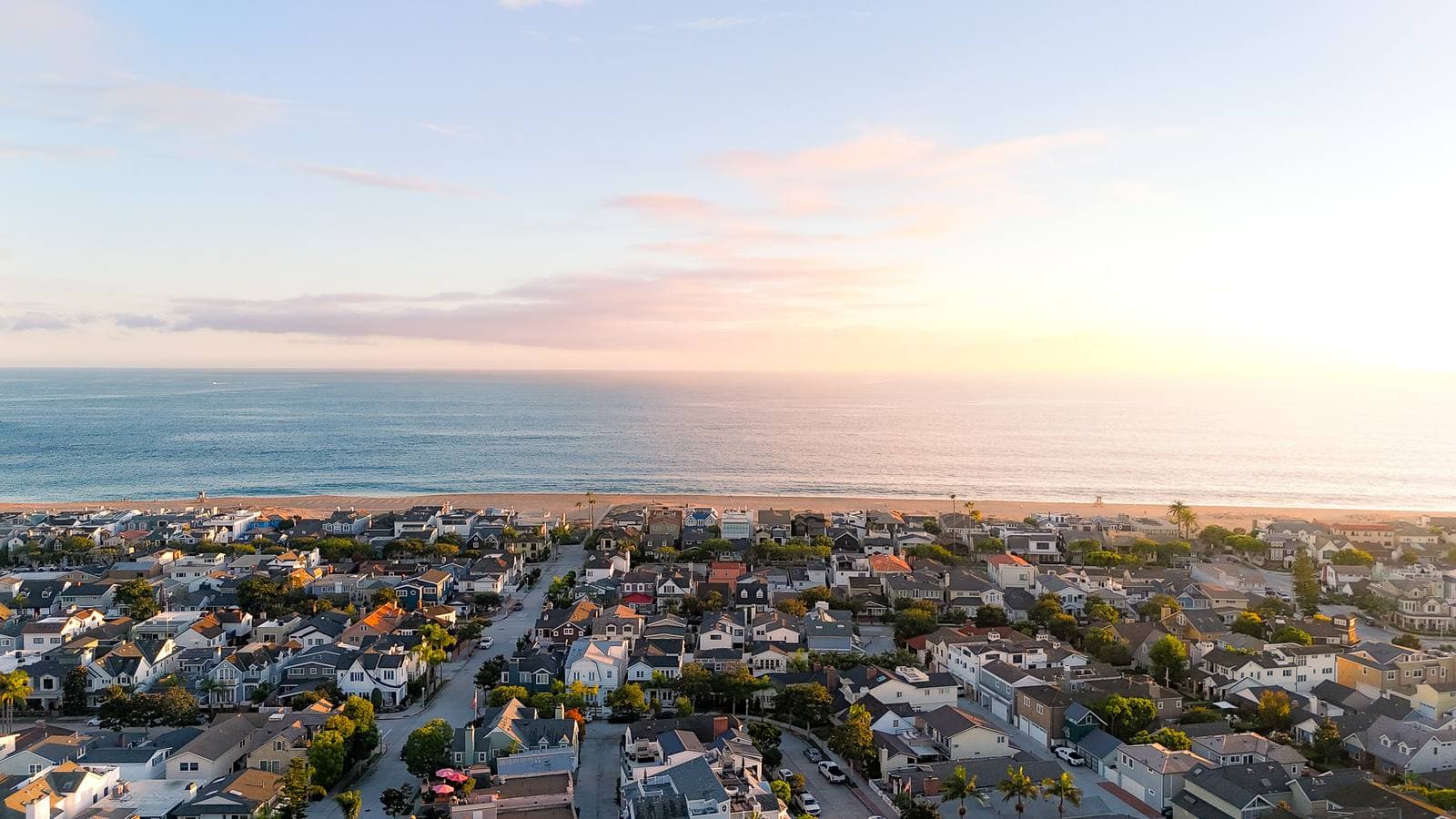
Balboa Peninsula is a built-out coastal strip with many compact duplexes and small multi-unit buildings. Lots are often narrow and small, commonly around 2,400 to 2,600 square feet. That scale shapes how most duplexes are designed and parked.
Small lots, stacked living
You'll see many "stacked" two-unit buildings. One unit sits at ground level and the other above it. On slightly wider parcels, you may find front and back setups or side-by-side plans with a shared central garage.
Garages, tandems, and alleys
Parking is a defining feature. Garages are often tandem or shared, and many properties rely on rear-alley access for vehicle entry. Alleys help keep driveways off primary beach streets, but their width and condition can affect daily use and future work. Always check how far the parking is from each unit's entrance, since that matters for both everyday living and rental marketability.
Parking rules you cannot ignore
Newport Beach's off-street parking rules require two parking spaces per unit for two-unit dwellings. One space must be in a garage, and the second must be covered or also in a garage. Review the city's standards in the off-street parking table before you make plans to remodel or operate as a rental.
On the Peninsula, meeting this requirement can be challenging due to lot width. Many existing duplexes use tandem garages or rely on older approvals. If a property appears under-parked, confirm whether it is legal nonconforming or if a prior modification was granted. For daily life, remember that on-street parking in busy seasons is limited, and some areas near Balboa Village have localized programs. You can review resident and patron permit details on the city's Balboa Village parking permits page.
Short-term rental reality on the Peninsula
Short-term lodging can be a strong income driver in the summer, but it is tightly regulated and capped.
Permit caps and transfers
Newport Beach caps active short-term lodging permits at 1,550 citywide. When the cap is reached, a waitlist applies. Existing valid permits can often transfer with city procedures, which is a key factor when evaluating listings that already operate as STRs. See the city's current rules and updates on the Short Term Lodging program page.
Check address eligibility
STRs are limited to certain zones on the Peninsula, which typically include R-1.5, R-2, and RM in residential areas, and some mixed-use coastal districts under specific conditions. Before you assume any rental income, confirm whether the exact address is eligible using the city's Short Term Lodging address search.
Operating rules and taxes
If allowed, you will need a short-term lodging permit and a business license. The city enforces occupancy limits, on-site parking use, and requires a local contact who can respond quickly to complaints. Permit numbers must be posted in all advertisements. The city's transient occupancy tax on short stays is 10 percent of the rental amount. Review requirements on the Short Term Lodging main page.
Because Balboa Peninsula sits in the coastal zone, some use changes and policy adjustments can trigger coastal review and Local Coastal Program rules. Plan extra time for approvals where coastal processes apply. You can read more about coastal permitting in the city's Local Coastal Program chapter.
Long-term rentals and AB 1482
If your plan is long-term tenancy, statewide rent law affects your numbers.
Rent cap and just cause
California's Tenant Protection Act (AB 1482) limits annual rent increases on covered units to 5 percent plus regional CPI. The cap cannot exceed 10 percent in any 12 months. The law also creates just-cause eviction protections after a tenant has occupied a unit for the statutory period. Some exemptions exist based on construction year and ownership form. Review the statute text for specifics in AB 1482.
Model realistic income
Under AB 1482, future rent growth may be slower than your pro forma assumes. Model conservative rent escalations, and plan for notice and relocation rules if they apply. If your duplex is exempt, document why with your attorney and keep that proof with your lease files.
Coastal risk, flooding, and insurance
On the Peninsula, flood risk and insurance availability deserve early attention.
FEMA flood zones and elevation
Check your parcel's FEMA Flood Insurance Rate Map designation. Properties inside Special Flood Hazard Areas, such as AE or VE, often require flood insurance with a federally backed loan. Order or request an Elevation Certificate early to get accurate quotes and understand any construction requirements. FEMA explains key terms and steps in its flood mapping guide.
Sea level rise planning
Newport Beach has identified the Peninsula's exposure in its Sea Level Rise Vulnerability Assessment. The city references USGS CoSMoS modeling and is planning shoreline and harbor measures. Treat sea level rise exposure as a material due-diligence factor, especially if the property is oceanfront or low-elevation bayfront. See the city's Sea Level Rise Vulnerability Assessment.
Budget for insurance
Expect more underwriting review and potentially higher premiums for oceanfront and low-elevation parcels. Private flood markets and NFIP pricing vary by elevation and construction details. Many lenders will ask for proof of flood coverage during contingencies, so start quotes as soon as you have elevation data.
Utilities, conversions, and rebuild plans
When remodeling or converting multi-unit buildings, the city often expects each dwelling to have its own water meter, sewer lateral or cleanout, and separate utilities. That can add cost if the building currently shares services. Review potential conditions like separate meters and public-works requirements in past city actions similar to yours, such as those referenced in planning staff materials.
If you are considering condominium conversion or changing unit count, know that formal entitlements apply and parking is often a key factor. In the coastal zone, extra review can be required. Build this into your timeline and budget.
Your practical due-diligence checklist
Use this short list before you remove contingencies:
- Confirm STR eligibility. Use the city's address search to verify zoning and whether short-term lodging is allowed for the parcel. Ask if any existing STR permit is transferable.
- Verify parking. Count actual spaces and configuration. Compare to the city's two-spaces-per-unit standard, including the garage requirement. Document any prior approvals if short.
- Pull permit history. Request building records, check for open code violations, and obtain copies of any active STR permits.
- Check flood status. Look up the FEMA zone, request or order an Elevation Certificate, and get preliminary flood insurance quotes.
- Review utilities. Confirm separate meters and sewer laterals for each unit, or price out the cost to split services.
- Assess coastal and harbor items. If docks or bulkheads are involved, confirm entitlements and maintenance obligations. Expect added coastal review for changes in use.
- Plan for STR operations. If you will operate short-term, review occupancy limits, local-contact requirements, and transient occupancy tax collection. Ensure your listings show the permit number.
- Model AB 1482. If long-term, create a pro forma using AB 1482's rent cap and just-cause rules where applicable. Identify any exemptions with counsel.
A thoughtful process protects your downside and keeps options open, whether you plan to enjoy the beach lifestyle, rent seasonally, or hold long term. If you want local insight on a specific address, I can help you pressure-test the numbers, timeline, and permits so you can move forward with confidence. Connect with Kyle Shutts to schedule a free consultation.
FAQs
What makes Balboa Peninsula duplexes different from inland options?
Lots are smaller and narrower, which leads to stacked unit layouts, tandem garages, and alley access. Parking and coastal permitting play a larger role in value and feasibility.
How many parking spaces do I need for a duplex in Newport Beach?
The city's standard is two spaces per unit. One must be in a garage and the second must be covered or in a garage under the off-street parking rules.
Can I run a short-term rental in a Balboa Peninsula duplex?
It depends on the property's zoning and whether the address is eligible. Newport Beach caps STR permits, enforces program rules, and requires a permit number on ads and payment of transient occupancy tax.
How does AB 1482 affect long-term rental income?
For covered units, annual rent increases are capped at 5 percent plus regional CPI, not to exceed 10 percent in any 12 months. The law also adds just-cause eviction protections.
Do I need flood insurance on the Peninsula?
If the property is in a FEMA Special Flood Hazard Area and you have a federally backed loan, your lender will likely require flood insurance. Get an Elevation Certificate early to obtain accurate quotes.
← Back to the Blog