Thinking about listing your Newport Shores canal-front home? Selling on the water is different from a typical inland sale. Buyers will look closely at your dock, seawall, elevation, insurance history, and how the home lives indoors and out. With the right prep, you can answer tough questions up front, shorten escrow, and attract stronger offers. This guide walks you through what to gather, what to inspect, how to price, and how to market a canal-front property for maximum confidence and value. Let’s dive in.
Newport Shores at a glance
Newport Shores blends canal-side living with quick beach access, and many homes trade in the multi-million dollar range depending on waterfront placement and upgrades. If you want a simple feel for neighborhood context and price bands, review the local overview in the Newport Shores guide on Kyle’s site for a baseline of expectations before you set strategy. You can find it in the neighborhood section of Kyle Shutts’ Newport Shores guide.
If your property includes a dock, boatlift, or pier, the City of Newport Beach regulates permits and transfers. Start early by pulling your permit number, plans, and sign-offs so there are no surprises during escrow. The City’s Harbor Resources page outlines pier and dock permits and transfers.
What drives value on the canal
Seawalls and bulkheads
Seawalls and bulkheads protect your lot from tidal action and canal scouring, so buyers will ask about their condition and any repair history. Replacement or major repairs can be significant, and costs vary based on length, access, materials, and permits. Industry sources suggest ranges from several thousand for minor repairs to tens of thousands or more for larger work; see this overview of seawall repair cost factors.
Seller action:
- Gather any engineer letters, inspection reports, invoices, and closed permits.
- If work may be needed, request written bids so buyers can price risk accurately.
Docks, piers, lifts, and moorings
In Newport Harbor, some water access features are permitted rather than deeded. Transfers usually require City forms and an inspection during escrow. Confirm what conveys, how it transfers, and any related fees or license terms using the City’s dock and pier permit guidance. Recent reporting also notes state-level attention on how moorings and residential pier rights are administered in Newport Harbor, which can shape buyer perception of transferability. For context, see this coverage of the ongoing mooring and pier licensing review.
Seller action:
- Identify if your dock is an improvement tied to the property or a permit/license that must transfer.
- Collect permit numbers, plans, and any inspection letters.
Flood risk, elevation, and insurance
If your home sits in a FEMA Special Flood Hazard Area, most lenders will require flood insurance. The City provides resources to help you verify your FEMA map panel and elevation data. Start with the City’s page on FEMA flood map resources. Buyers also ask how flood coverage works and what it costs. For consumer-friendly information, the California Department of Insurance explains flood policy basics and timelines at Flood Facts.
Seller action:
- Order your Natural Hazard Disclosure and provide any elevation certificates.
- Share recent flood premium examples if you have them.
Water quality and canal circulation
Canal systems vary in circulation. Inquiries about algae, odor, mosquitoes, or dredging history are common. If you have records of canal clean-ups or City communications, add them to your disclosure packet.
Seller action:
- Collect any service notices or cleanup/dredging records that relate to your canal.
Privacy, views, and boat traffic
Orientation and sightlines on the canal influence value. Buyers care about how private the outdoor space feels, how open the view is, and how much boat activity is typical on weekdays vs. weekends. Be ready to discuss these factors clearly and factually.
Seller action:
- Include a canal orientation note and typical traffic patterns in your remarks.
- Stage and photograph to highlight open sightlines and comfortable outdoor use.
Your pre-listing checklist
Documents to assemble first
California law requires a Natural Hazard Disclosure and Transfer Disclosure Statement for most residential sales. Order the NHD early and keep your TDS accurate and complete; see the state statute on NHD requirements.
Must-haves for canal-front listings:
- NHD and TDS, plus any supplemental seller disclosures.
- Pier or dock permit history, plans, and transfer forms from the City.
- Seawall or bulkhead reports, inspection notes, invoices, and engineering letters.
- Flood insurance history, premium examples, and any elevation certificate or LOMA/LOMC.
- HOA or CC&R package if applicable, including any shared-area maintenance obligations.
Recommended inspections
Pre-list inspections reduce surprises and renegotiation. For canal-front homes, pair a standard home inspection with specialty checks so buyers see the full picture.
- General home inspection for structure, roof, plumbing, and electrical.
- Marine contractor or coastal engineer review of the dock, pilings, lift, and seawall.
- Sewer scope and termite inspection, given proximity to salt air and moisture.
- If your parcel is in or near a FEMA flood zone, secure or update an elevation certificate.
Staging and small, smart updates
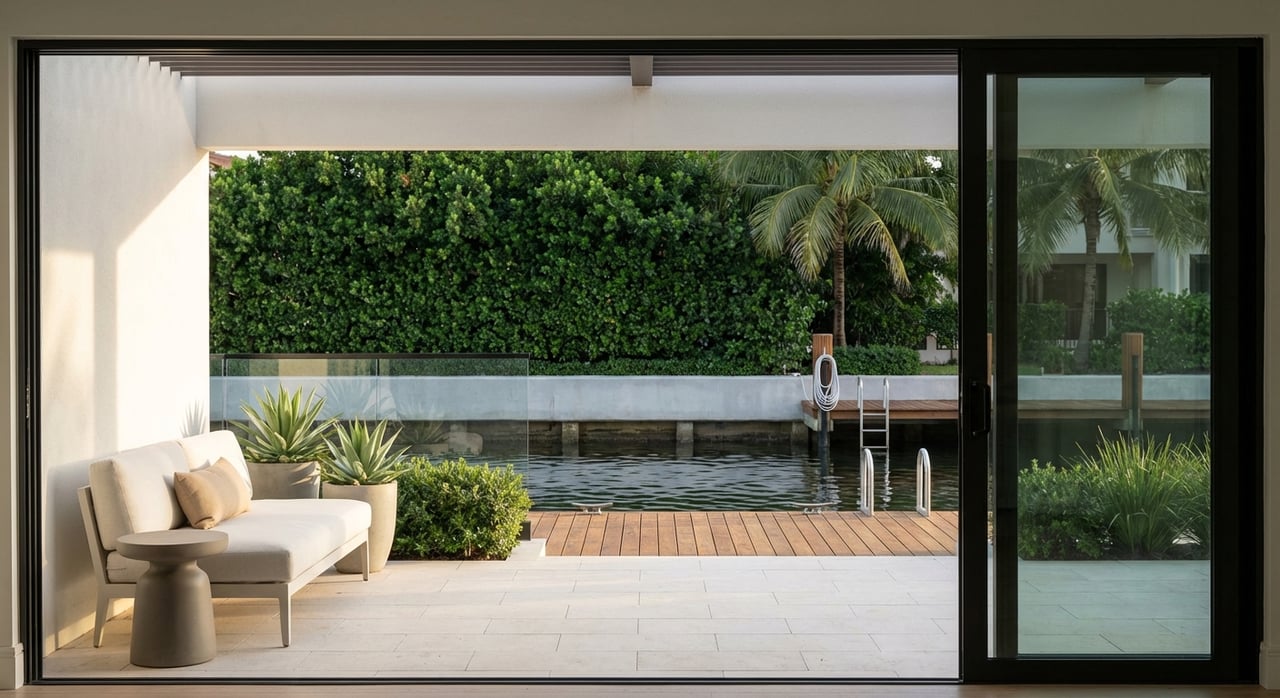
Buyers want to feel the canal lifestyle the minute they walk in. Keep styling neutral and coastal, open sightlines to the water, and make the dock area feel usable and safe.
- Declutter and simplify to frame water views from main living areas.
- Add weather-resistant touches outdoors and tidy boat gear storage.
- Fix visible wear on dock boards, railings, or decking if cost-effective.
Pre-marketing assets to build
High-end visuals matter, especially for waterfront. NAR research shows photos and virtual tours are top features buyers value online, so invest in premium production. See buyer behavior data in this NAR snapshot.
- Professional interior and exterior photography, including twilight.
- Aerials or drone footage showing canal width, orientation, and distance to the sand.
- Floor plan and a 3D tour to help buyers understand layout and view corridors.
If you use a drone, hire a certified operator. Commercial drone work must follow FAA rules for Part 107 remote pilots and Remote ID. Review the FAA’s guidance for commercial drone operators.
Pricing and negotiation strategies
Waterfront value is hyper-local. Start with the closest canal-front and immediate beach-adjacent sales, then adjust for lot frontage, unobstructed view vs. partial, seawall condition, dock size and permit status, remodeling level, and any non-standard risk like high flood premiums.
Pre-inspecting major waterfront elements helps you hold list price. When buyers have clean reports and clear cost estimates, you can position repairs up front or price accordingly. If issues arise, common solutions include repair credits or arranging an escrow holdback so funds are released after specified work is completed with receipts. Not all lenders allow holdbacks, and they often require an agreement and contractor bids. For a quick primer, see this overview on escrow holdbacks.
Timeline watch-outs
Waterfront transactions can take extra days in a few places. Make room for these early to keep closing on track.
- Dock or pier permit transfers and harbor inspections: coordinating with the City can add time, especially if an inspection is required. Start your transfer paperwork as soon as you list and keep a log of calls and emails.
- Flood insurance binding: if your home is in a Special Flood Hazard Area and your buyer is financing, the lender will need a policy in place before funding. Pull your elevation certificate and request quotes early using the City’s FEMA flood map resources.
Marketing essentials for coastal buyers
Strong, editorial-quality visuals help buyers picture daily life on the water. Keep the story consistent across photos, video, floor plan, and copy.
- Lead with natural light and view corridors; show the path from kitchen or great room to deck and dock.
- Include a clear shot of the dock length and condition, and do not hide wear. Transparency builds trust and prevents retrades.
- Use aerials to clarify the canal’s width, the home’s orientation, and proximity to beach access points.
- Add twilight imagery to showcase outdoor entertaining zones and waterside ambiance.
If you plan broker tours by boat or any showings that use harbor facilities, coordinate with the Harbor Department first. Do not assume you can stage boat-based events without permission.
Make it easy: concierge sale prep with lender-savvy support
A smooth canal-front sale pairs polished marketing with tight document control and lender-aware timing. I help you package permit records, inspections, and cost estimates so buyers understand the asset and feel confident moving forward. My background in mortgage and complex financing means we can anticipate lender requirements for flood insurance or escrow holdbacks and structure solutions that keep your deal moving.
If you are considering a sale in the next 3 to 12 months, let’s create a property-specific prep plan and a pricing roadmap based on the closest canal comps. Reach out to Kyle Shutts to start your confidential consultation.
FAQs
Do I need flood insurance to sell a Newport Shores canal-front home?
- If your lot is in a FEMA Special Flood Hazard Area, most lenders will require the buyer to carry flood insurance, so provide your NHD, elevation certificate, and any premium history early.
How do dock and pier transfers work in Newport Beach?
- Docks and piers are often permitted improvements that require City transfer forms and an inspection at escrow, so gather permit numbers, plans, and prior sign-offs before you list.
How will a seawall in need of repair affect my sale?
- Buyers typically ask for reports and bids, then negotiate repairs, a credit, or an escrow holdback; having written estimates ready helps you control price and timeline.
Can I host showings or a broker open by boat using my dock?
- Coordinate with the City’s Harbor Department in advance, since use of docks, moorings, and public harbor facilities may require permission and scheduling.
What adds the most time to a canal-front escrow?
- Pier permit transfers and flood insurance binding can both add days, so start harbor paperwork early and line up insurance quotes once you go to market.