Wondering why one Newport Heights home feels priced for its finishes while another seems priced for the land beneath it? In this neighborhood, lot type often shapes value, privacy, views, and future building options just as much as the house itself. If you are buying, selling, or planning a remodel in Newport Heights, understanding the difference between view, bluff, and interior lots can help you make smarter decisions. Let’s dive in.
Why lot type matters
Newport Heights sits on an elevated marine terrace in Newport Beach’s District 2, which helps explain why some streets capture broad outlooks while others feel more tucked in and private. According to the City of Newport Beach District 2 overview, lot characteristics and topography play a meaningful role in how parcels function.
That matters because zoning and setbacks are not one-size-fits-all here. The city’s coastal zoning materials include a Newport Heights-specific setback map, and the property development standards make clear that the buildable envelope should be checked parcel by parcel.
In simple terms, two homes just blocks apart can offer very different upside. One may have a premium view but tighter design scrutiny, while another may have less view value but more flexibility for additions, outdoor space, or a future redesign.
View lots in Newport Heights
What makes a view lot valuable
A view lot is usually defined by the outlook it captures. In Newport Heights, that may mean ocean, harbor, city-light, or broader coastal views.
The premium is not only about what you see today. It is also about how well that view can be preserved, how private the home feels, and how future improvements may affect sightlines.
Why design review matters
For view-oriented parcels, the city’s scenic and visual rules can add another layer of review. Under the Newport Beach property development standards, projects on a bluff or within the viewshed of a public view point or coastal view road may require a view impact analysis and public view protection easements.
That means details like fencing, landscaping, rooftop equipment, and second-story additions can matter more than many buyers expect. On a true view parcel, the conversation is often about balancing design, privacy, and sightline protection.
What buyers and sellers should watch
If you are buying a view lot, ask whether the current view is likely to remain materially similar after future work on the property or nearby parcels. If you are selling, it helps to understand whether the parcel’s location gives it a stronger value position than nearby non-view homes.
A useful local snapshot from the research report shows Newport Heights view homes carrying a current median listing price of $4.8M, compared with a neighborhood-wide median sale price of $3.9M in February 2026. While that is not a formal comp study, it shows how view positioning can push value above the broader neighborhood average.
Bluff lots and bluff-adjacent parcels
What the bluff overlay means
Bluff parcels are a separate category from standard view lots because they can be governed by the city’s Bluff Overlay District. Under the overlay coastal zoning districts, the most restrictive rule applies when an overlay standard conflicts with the base zoning.
For owners, that usually means a tighter development envelope and more rules around where and how improvements can be placed. These lots can be striking, but they often come with more planning complexity.
Setbacks and development limits
On bluffs subject to marine erosion, the code generally requires at least a 25-foot setback from the bluff edge for principal structures and major accessory structures. Accessory structures generally require at least a 10-foot setback from the bluff edge under the same overlay district standards.
The code also places tighter controls on grading and basement-related options on bluff lots. In some cases, new development in the bluff overlay can require a waiver of future protection, which is another reason parcel-level review is so important.
Why bluff lots still command attention
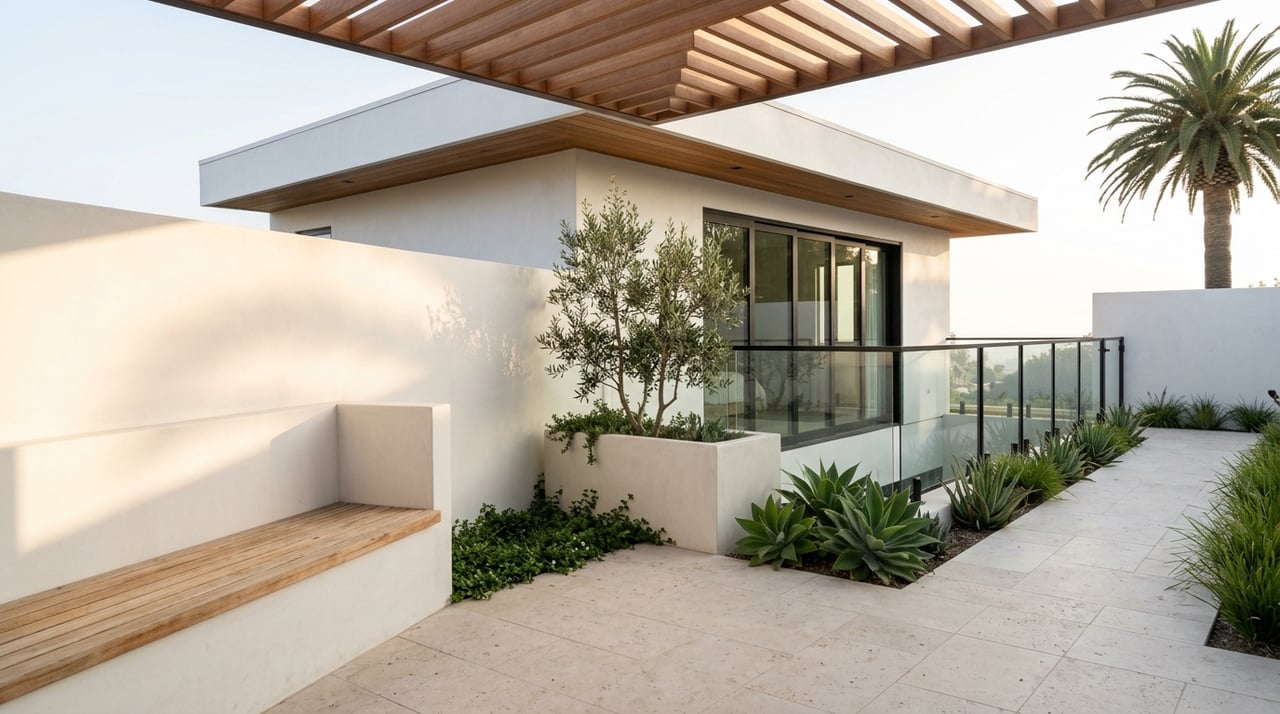
Even with stricter rules, bluff lots can carry strong appeal because of scarcity, privacy, and dramatic topography. They may support terraces or outdoor areas with a very different feel from interior parcels, even if the buildable envelope is more constrained.
The city’s map set includes both the Newport Heights setback map and a bluff-overlay map for Kings Place, which makes that area a helpful local example. You can review those in the city zoning maps, and they reinforce the broader point that bluff-related value often starts with the land itself.
Interior lots in Newport Heights
Why interior lots are often more flexible
Interior-street parcels that are not on a bluff and not within a public-view corridor usually face fewer coastal hazard and view protection constraints. Based on the overlay zoning framework, that often makes them the most straightforward category for remodels or additions.
That does not mean every interior lot is simple. Zoning, setbacks, and any applicable overlays still need to be checked, but the regulatory burden is typically lighter than it is for bluff or highly view-sensitive parcels.
What interior-lot buyers value most
Interior lots often appeal to buyers who care more about day-to-day livability than about a premium outlook. Private backyards, pools, easier addition potential, and a more predictable planning path are often part of the appeal.
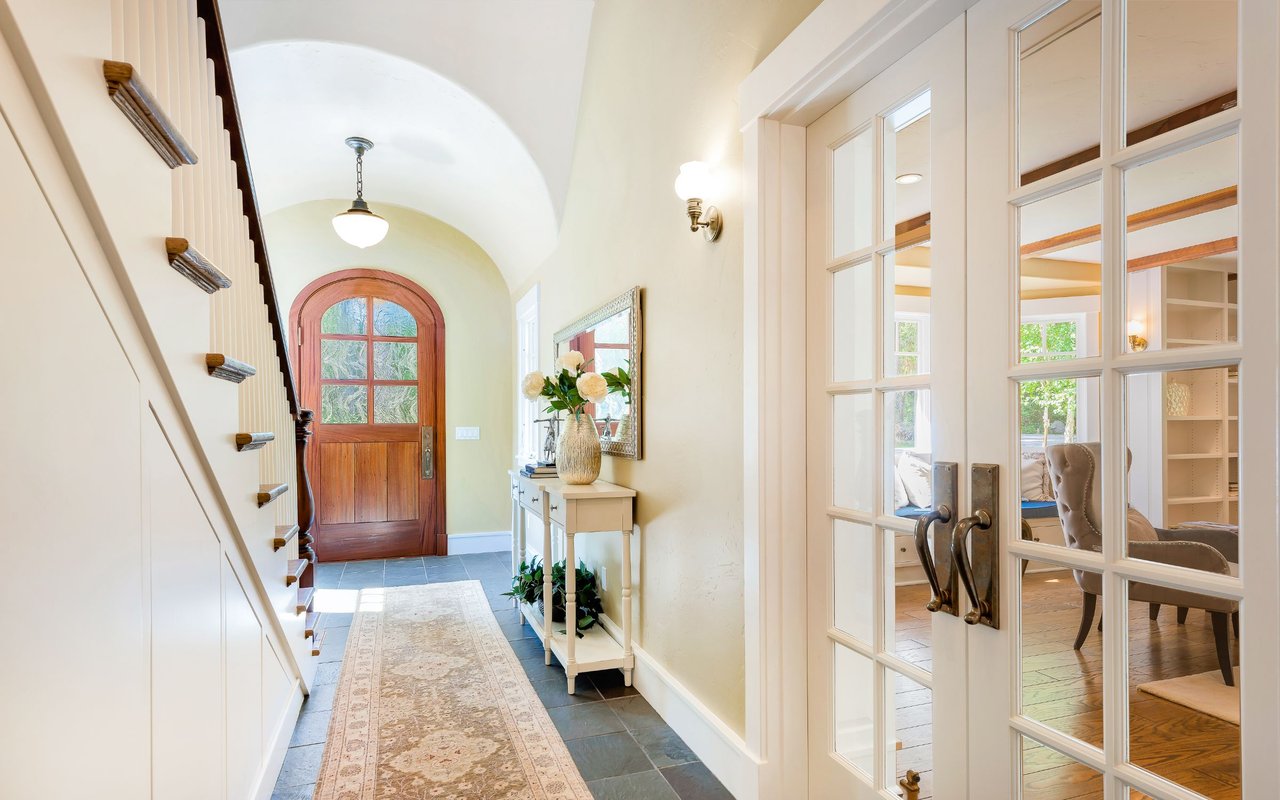
In the current market snapshot from the research report, several Newport Heights homes that do not emphasize views are listed below the upper Cliff Drive price tier. Their marketing language tends to focus on features like private outdoor space, vaulted ceilings, and garden entries, which aligns with the value proposition of interior streets.
Comparing the three lot types
If you want the short version, lot type in Newport Heights often comes down to the tradeoff between outlook, scarcity, and flexibility.
| Lot type | Main advantage | Main consideration |
|---|---|---|
| View lot | Stronger outlook and higher price ceiling | More design scrutiny and possible view-related review |
| Bluff lot | Scarcity, privacy, dramatic topography | Tighter setbacks and a more limited buildable envelope |
| Interior lot | More straightforward remodel and backyard flexibility | Value may rely more on home condition and lot size than views |
That framework matches the research report’s shorthand: view lots tend to have the strongest outlook and most design scrutiny, bluff lots offer scarce positioning but tighter development rules, and interior lots usually provide the most flexibility.
What this means for buyers
If you are house hunting in Newport Heights, do not stop at the photos or even the street name. A home’s value and future potential may depend on whether it sits on a protected view axis, near a bluff edge, or on a more typical interior terrace block.
Before you write an offer, it is smart to confirm the applicable zoning, setbacks, and any overlay restrictions. The city’s code is designed to answer those questions parcel by parcel, not by broad neighborhood label.
For financed buyers, this is also where clear guidance helps. A property with more design constraints or future review requirements can affect how you think about long-term plans, budget, and timing.
What this means for sellers
If you own in Newport Heights, your lot type may be a major part of your property’s story. Sellers often focus on finishes, updates, or square footage, but buyers in this market also pay close attention to view value, bluff positioning, and future usability.
That is why pricing and marketing should reflect the land as well as the home. A well-positioned view or bluff parcel may deserve a different strategy from an interior lot where livability, yard space, and flexibility drive demand.
The key takeaway
In Newport Heights, value is often driven less by the neighborhood name alone and more by exactly where the parcel sits. A view lot may command a premium because of sightlines and prestige, a bluff lot may stand out because of scarcity and topography, and an interior lot may win on flexibility and everyday function.
If you are comparing properties, planning a remodel, or thinking about selling, the smartest next step is to evaluate the parcel itself, not just the home on it. If you want help understanding how a specific Newport Heights lot type may affect pricing, buyer demand, or financing strategy, connect with Kyle Shutts for a tailored conversation.
FAQs
What is a view lot in Newport Heights?
- A view lot in Newport Heights is a parcel where the outlook is a major part of the value, such as ocean, harbor, city-light, or broad coastal views, and it may face added visual review under city standards.
What is a bluff lot in Newport Heights?
- A bluff lot in Newport Heights is a parcel affected by the city’s Bluff Overlay District, where special setback, grading, and development-area rules can limit the buildable envelope.
Are interior lots easier to remodel in Newport Heights?
- Interior lots are often more straightforward for remodels and additions because they usually face fewer bluff and public-view corridor constraints, though zoning and setbacks still need parcel-level review.
Why do lot types affect home prices in Newport Heights?
- Lot types affect pricing because views, bluff positioning, privacy, scarcity, and future building flexibility can each change buyer demand and the property’s long-term potential.
How can you verify setbacks for a Newport Heights property?
- You can verify setbacks by reviewing the applicable Newport Beach zoning and coastal overlay rules and checking the parcel with city planning resources, since setbacks can vary by lot and zoning district.