If you love El Dorado Park Estates, you are not alone. Many homeowners here are not looking to leave the area at all. They simply want a home that fits their next chapter better, whether that means more space, less upkeep, or a floor plan that works better day to day. The good news is that trading up while staying local is often possible in this neighborhood. Let’s dive in.
Why homeowners stay in El Dorado Park Estates
El Dorado Park Estates has long had a strong pull for homeowners who value both location and livability. The neighborhood began as an early 1960s East Long Beach tract developed by S&S Construction on about 300 acres, with 1,360 single-family homes and 400 apartments in the original development.
That original layout still shapes the feel of the area today. It was built largely for homeownership, and much of the housing stock still reflects that long-term ownership pattern. For many owners, moving within the neighborhood feels more appealing than starting over somewhere else.
A big reason is the setting. El Dorado East Regional Park spans 388.2 acres and includes more than 4 miles of paved bike trails, while the El Dorado Nature Center adds another 105 acres of habitat area. If your routines already revolve around these amenities, staying nearby can make a lot of sense.
What trading up looks like here
In El Dorado Park Estates, a move-up purchase often means improving how your home lives rather than chasing a completely different type of property. You may be looking for an expanded floor plan, an extra bedroom, a larger family room, or a better work-from-home setup.
Recent listings show how varied that can be. Homes in the neighborhood have included a 3-bedroom, 2-bath home around 1,447 square feet, a larger expanded 3-bedroom, 2-bath home around 1,902 square feet, and a renovated 5-bedroom, 3-bath home around 3,148 square feet.
That range matters if you want to stay close to familiar streets and daily routines while still making a meaningful change. In this tract, trading up is often about finding more usable space, not necessarily leaving for a different neighborhood.
Understand the local price gap
El Dorado Park Estates sits above the broader Long Beach market based on current market trackers. Redfin reported a March 2026 median sale price of $1.23 million for the neighborhood, while Zillow’s home value index showed an average value of $1,263,595 as of March 31, 2026.
By comparison, Redfin placed the overall Long Beach median sale price at $905,000 in March 2026, and Zillow’s citywide home value index was $857,861. That gap helps explain why many existing owners focus on moving within the tract instead of trying to recreate the same lifestyle elsewhere.
The pace also matters. Redfin reported that most homes in the neighborhood stay on the market about 24 days and receive around 3 offers. If you are planning a same-neighborhood move, preparation and timing can make a real difference.
Compare function, not just square footage
One of the biggest mistakes in a move-up search is focusing only on price or total size. In El Dorado Park Estates, the more useful question is often how the home functions.
Some homes have already been expanded. Others may include a bonus room, a den, or a garage conversion that creates additional living space. In a neighborhood with many original mid-century era homes, these changes can have a major impact on how well a property fits your lifestyle.
As you compare options, it helps to look closely at:
- Whether the floor plan has been expanded
- How bedrooms and living areas are separated
- Whether there is flexible space for work, hobbies, or guests
- If the garage remains a garage or has been repurposed
- How the lot supports outdoor use and daily living
A well-designed smaller home can sometimes serve you better than a larger home with a less efficient layout. That is especially true in a tract where many homes began with similar original footprints.
Single-story or two-story?
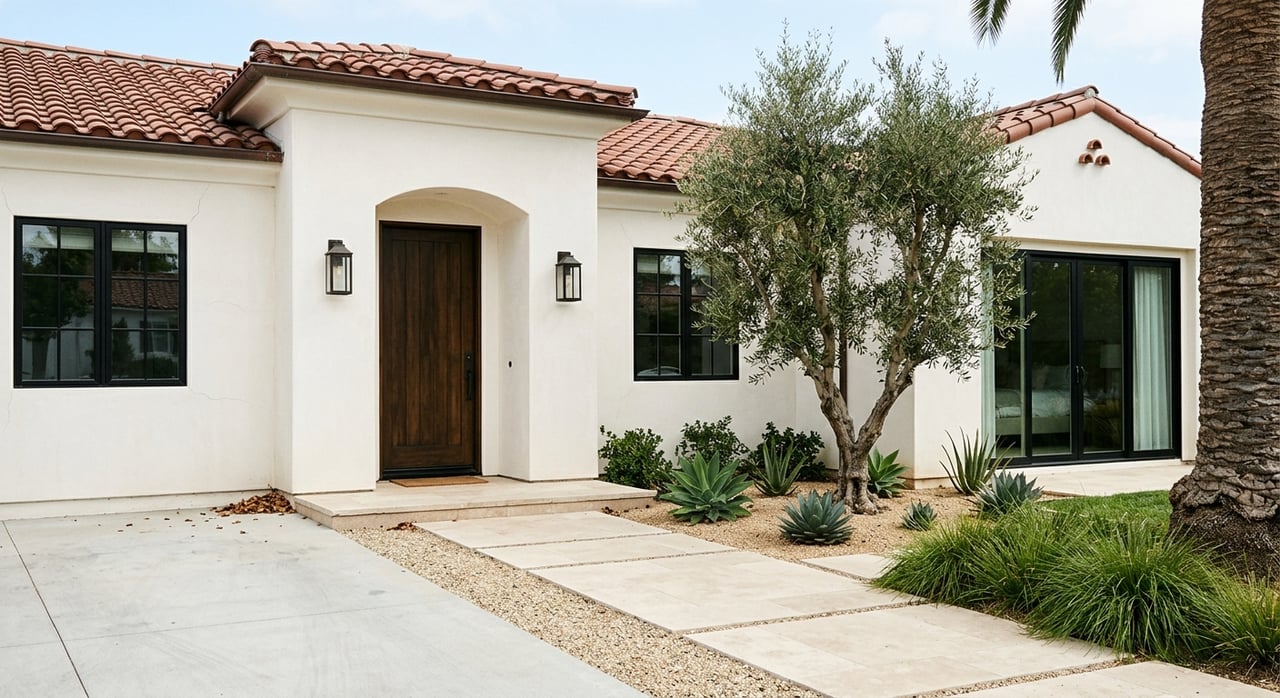
This is one of the most important tradeoffs for local movers. El Dorado Park Estates was shaped by postwar ranch-house design, which Long Beach’s historic context statement describes as low-slung, horizontally oriented, and closely tied to indoor-outdoor living.
That means single-story living is not just common here. It is part of the neighborhood’s original character. For many homeowners, that is a major reason to stay.
Why single-story still appeals
Single-story homes often offer easier day-to-day circulation and fewer barriers within the home. If you are thinking about long-term comfort, one-level living can be a practical choice.
This style can also make everyday spaces feel more connected. In a neighborhood rooted in ranch design, many single-story homes carry that classic indoor-outdoor flow that still appeals to buyers today.
When two-story may make sense
Two-story homes are a smaller subset of the local inventory, but they do exist. Current listings have included an S&S-built two-story, 4-bedroom, 3-bath home from 1971.
For some households, a second level can solve space challenges without changing neighborhoods. You may gain more square footage, better bedroom separation, or a layout that creates privacy between sleeping and living areas.
The tradeoff is straightforward. Stairs, vertical circulation, and maintenance all become part of the equation. The best choice depends on your current stage of life and what you need your next home to do.
What downsizing can look like nearby
Not every homeowner moving within the El Dorado area wants a larger detached home. Some want to stay local while reducing upkeep.
The research suggests that lower-maintenance options do exist, but they are more likely to be attached homes or condos than classic detached tract homes. Redfin’s neighborhood results have shown El Dorado Lakes condos, including smaller one-bedroom units and loft-style condos with HOA dues.
That is useful to know if your goal is simpler ownership rather than more square footage. If you want less exterior maintenance while staying near the same general area, you may need to widen your search beyond the original detached-home tract.
How to time your sale and purchase
For most homeowners, the hardest part of moving within the neighborhood is not deciding where to go. It is figuring out how to sell one home and buy the next without unnecessary stress.
Consumer guidance cited in the research notes that people who want to move will often try to sell their current home first before buying another one. That approach can reduce uncertainty, especially if you need your equity from the current home to make the next purchase work.
At the same time, your offer structure matters. The research also notes that financing and inspection contingencies can give you protection if the loan or the property condition does not work out as expected.
Tools that may reduce friction
If you are planning a local move, these tools may help create a smoother path:
- A sell-first strategy
- Financing contingency protection
- Inspection contingency protection
- Careful escrow coordination
- Possession planning so you can avoid moving twice
The closing sequence also matters. In a financed purchase, the mortgage closing and home purchase closing typically happen at the same time, so details have to line up cleanly.
For some buyers, short-term bridge financing may also be part of the conversation. The research notes that bridge loans with terms of 12 months or less can be used by buyers who plan to sell a current home within that period.
Special planning for older homeowners
If you are moving later in life, there may be California-specific tools worth exploring. The State Board of Equalization says eligible homeowners age 55 or older, severely and permanently disabled homeowners, and certain wildfire or disaster victims may be able to transfer a base-year value to a replacement primary residence, subject to filing deadlines.
That can be especially relevant if you want to stay in the area while changing your floor plan or reducing maintenance. Property tax planning may shape which move makes the most sense for you.
The research also notes that a Home Equity Conversion Mortgage for Purchase can allow people age 62 and older to buy a new principal residence using reverse mortgage proceeds. For the right homeowner, that may create flexibility when making a local move.
Seller-in-possession arrangements may also help in some situations. The California Association of Realtors standard forms include a Residential Lease After Sale form, which can support a short stay in your current home after closing while your next move comes together.
A smart move starts with clarity
Moving within El Dorado Park Estates is rarely just about getting a bigger house. More often, it is about matching your next home to the way you live now.
You may need another bedroom, more flexible living space, or a layout that feels easier and more practical. You may also be looking for less upkeep while staying close to the neighborhood features you already enjoy.
In a market where homes move relatively quickly and the housing stock varies from original ranch layouts to expanded and renovated versions, a clear plan matters. When you understand your timing, financing, and floor-plan priorities upfront, you can make a move that feels like a real upgrade without giving up the neighborhood you love.
If you are weighing a same-neighborhood move and want help sorting through timing, pricing, and financing strategy, Kyle Shutts can help you build a clear, low-friction plan.
FAQs
Are there larger homes available in El Dorado Park Estates?
- Yes. Recent neighborhood listings have included homes from about 1,447 square feet to 1,902 square feet, along with larger renovated homes around 3,148 square feet.
Are low-maintenance homes available near El Dorado Park Estates?
- Yes. Attached condos and loft-style units in the broader El Dorado area may offer a lower-maintenance option, though they are less typical than detached tract homes.
Is El Dorado Park Estates mostly single-story?
- Mostly, yes. The neighborhood reflects a ranch-house design pattern from the postwar era, so single-story homes are a core part of its original housing character.
How can you avoid getting stuck between selling and buying in El Dorado Park Estates?
- A sell-first plan, financing and inspection contingencies, careful escrow coordination, and in some cases bridge financing or a short seller-in-possession arrangement can help reduce disruption.
What should you compare when moving within El Dorado Park Estates?
- Focus on floor-plan function, expansion history, bonus spaces, garage use, and how the lot supports daily living, not just list price or total square footage.
Can older homeowners use special tax or financing tools for a move in California?
- Potentially, yes. Eligible homeowners may qualify for a base-year value transfer under California rules, and some buyers age 62 or older may consider a Home Equity Conversion Mortgage for Purchase for a new principal residence.