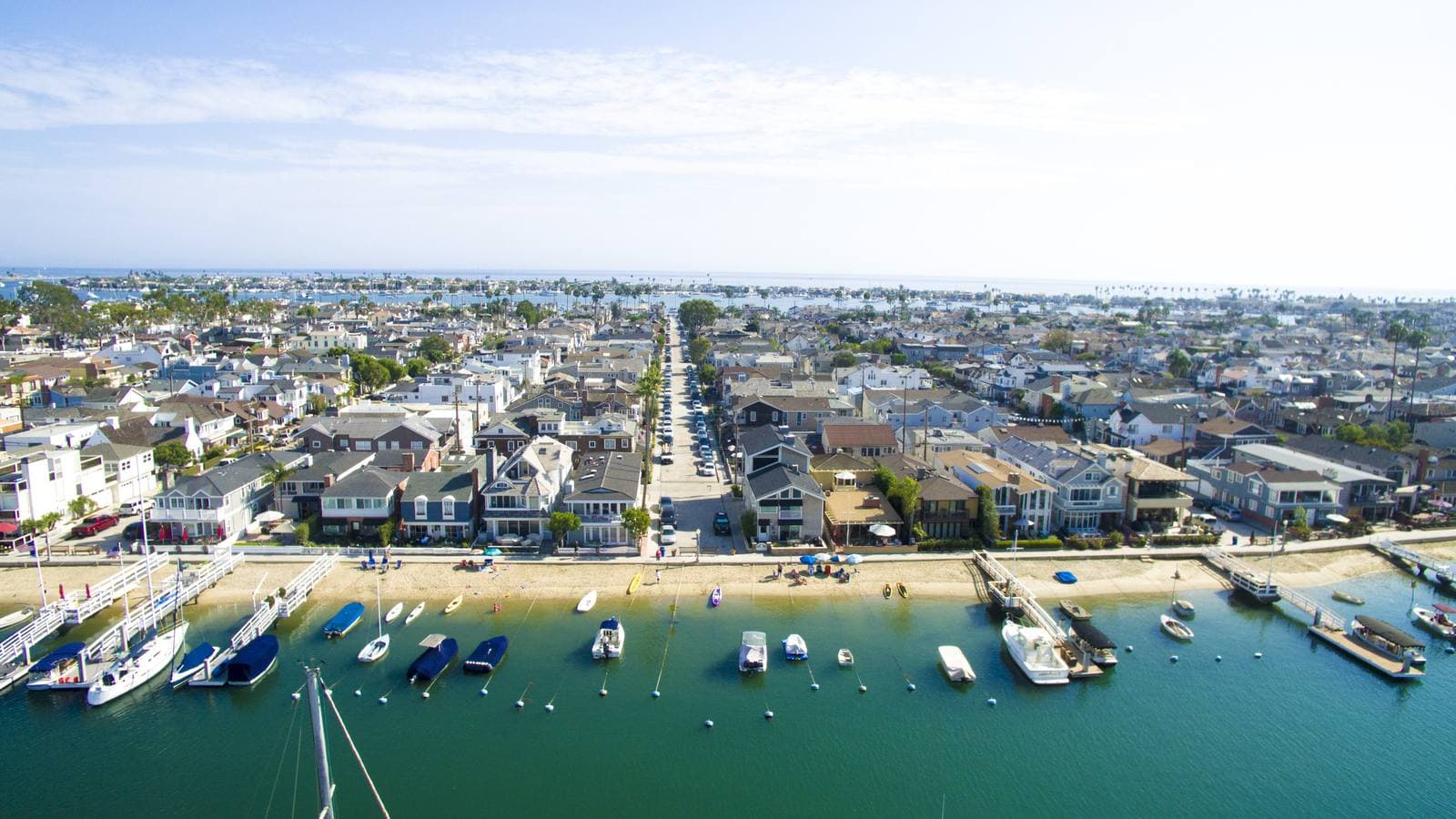
By the time a listing goes live, most of the variables that determine the outcome are already fixed. Pricing, condition, presentation, and documentation are all decided in advance — and the sellers who do best are generally the ones who started earlier.
Ninety days is a comfortable runway. Here is roughly how to use it.
Days 90 to 60: assessment
Start with an accurate read on where the property sits in its micro-market. That means a genuine comparison against homes with similar water access, view characteristics, position, and condition — not a neighborhood average, and not an automated estimate.
This is also when to identify which improvements are worth making. The premium for turnkey property has widened, so targeted work often returns more than it costs. But "targeted" is doing real work in that sentence: the improvements that matter depend on the property and the buyers it will attract. Renovating the wrong rooms is an expensive way to break even.
Days 60 to 30: the work
Complete whatever improvements you have decided on. Handle deferred maintenance, because it will surface during inspection regardless and is cheaper to address on your schedule than under contract.
This is also the window for assembling documentation, which matters more on the coast than most sellers realize:
- Permits for past work, particularly anything structural or within the coastal zone.
- Dock or slip documentation on waterfront property — what conveys and its permit standing.
- Seawall or bulkhead maintenance history.
- HOA documents, assessments, and any pending items.
- Warranties and service records for major systems.
Clean documentation removes buyer uncertainty. Uncertainty gets priced in as risk, and risk gets deducted from your number.
Days 30 to 0: presentation
Staging and photography happen here, and on the coast this is not a formality. Buyers are shopping visually, frequently from out of the area, and the images decide whether they schedule a showing at all.
For coastal properties specifically, the photography needs to capture what the property actually sells: the view at the right hour, the water relationship, the light. That often means shooting at particular times of day rather than whenever the crew is available.
Pricing at the end, not the beginning
Set the list price last, using the most current data available. Markets move, and a number chosen ninety days out may no longer reflect conditions. The final pricing conversation should account for what has sold and what has come to market during your preparation window.
To start with an accurate valuation of your property, request one here — or reach out directly to talk through timing.
← Back to the Blog